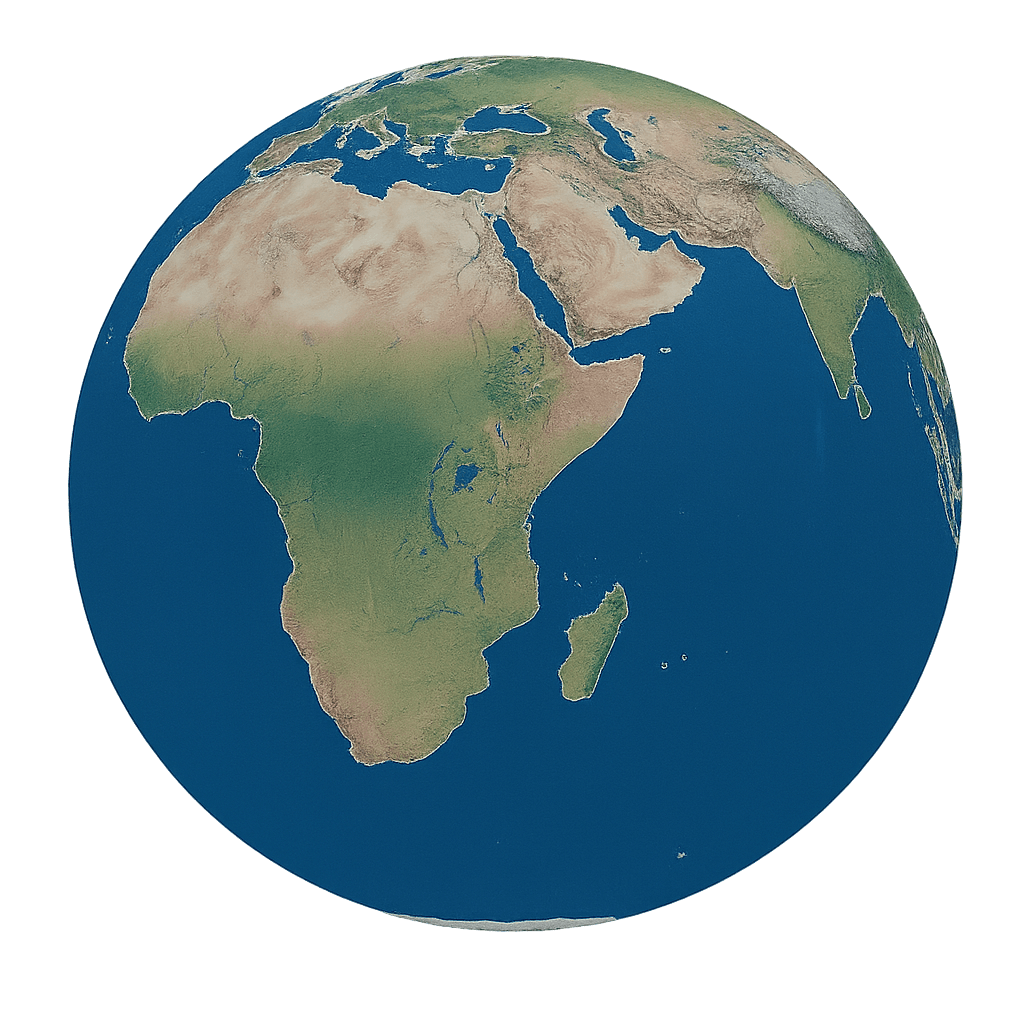

UAGC Economist Connects Global Economic Forces to Student Learning and Real-World Impact
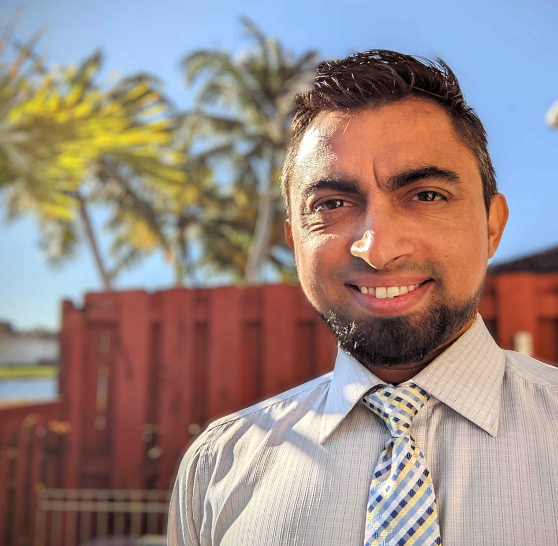
Robin Dhakal, co-editor and assistant professor at UAGC

Every time the Federal Reserve moves interest rates, the effects extend far beyond U.S. borders.”
CHANDLER, AZ, UNITED STATES, April 29, 2026 /EINPresswire.com/ -- As global economic uncertainty continues to influence households and markets worldwide, a professor at the University of Arizona Global Campus (UAGC) is helping students and the public understand how decisions made in Washington shape everyday life across the globe.— Robin Dhakal, an assistant Global Campus professor at UAGC
In a recent article, “Washington to Kathmandu: How Global Economics Reaches Your Doorstep,” Robin Dhakal, an assistant Global Campus professor at UAGC, explores how U.S. monetary policy, geopolitical tensions, and emerging technologies like artificial intelligence (AI) directly affect families in developing economies.
“Every time the Federal Reserve moves interest rates, the effects extend far beyond U.S. borders,” said Dhakal. “For many families in smaller economies, those decisions translate into real, immediate changes in the cost of food, fuel, and daily life. Understanding those connections is essential for the next generation of economists, business leaders, and policymakers.”
The article builds on a recent virtual lecture that connected students, faculty, and staff in Arizona and Nepal, drawing more than 100 registered attendees, highlighting how the UAGC global learning environment brings real-world economic dynamics into the classroom. Dhakal outlines the “transmission mechanisms” that link global economic forces to local realities, including rising borrowing costs, currency fluctuations, and capital flows that shape economic opportunity.
Today’s global economic environment is defined by slower growth, rising public debt, and increasing fragmentation. The International Monetary Fund projects global GDP growth at approximately 3.2 percent over the next two years, below the historical average of 3.8 percent, while global public debt has reached an estimated 102 trillion dollars. Developing economies face growing pressure as borrowing costs rise and fiscal resources tighten.
The article also examines how energy price volatility, shifting trade dynamics, and rapid advances in AI are reshaping economic pathways for countries like Nepal. Dhakal notes that while AI is transforming work globally, it may also disrupt traditional development models by reducing demand for outsourced knowledge-based jobs.
“Technological change has always reshaped economies, but the speed and scale of AI adoption are different,” Dhakal said. “It is not just about jobs being displaced in advanced economies. It is about opportunities disappearing in places that were counting on those jobs for growth.”
Through his teaching and research, Dhakal emphasizes the importance of systems thinking and global awareness, skills that are critical for students preparing to navigate an increasingly interconnected world.
“At UAGC, we aim to make complex economic ideas accessible and relevant,” he said. “When students understand how global systems work and how they affect real people, they are better equipped to make informed decisions in their careers and communities.”
UAGC continues to integrate real-world perspectives into its curriculum, connecting students with faculty expertise and global insights that reflect today’s rapidly evolving economic landscape. Programs such as the Bachelor of Arts in Business Economics at UAGC further equip students with the analytical and global perspective needed to understand complex economic systems and their real-world impact.
###
The University of Arizona Global Campus is proud to offer over 50 associate, bachelor's, master's, and doctoral degree programs with accelerated online classes designed to help you gain the skills you need. At UAGC, you will be part of the University of Arizona community of students and alumni who support each other from game day to graduation day and beyond. For more information about UAGC, visit UAGC.edu.
Communications and Strategic Engagement
The University of Arizona Global Campus
+1 866-711-1700
email us here
Visit us on social media:
LinkedIn
Instagram
Facebook
YouTube
X
Legal Disclaimer:
EIN Presswire provides this news content "as is" without warranty of any kind. We do not accept any responsibility or liability for the accuracy, content, images, videos, licenses, completeness, legality, or reliability of the information contained in this article. If you have any complaints or copyright issues related to this article, kindly contact the author above.
